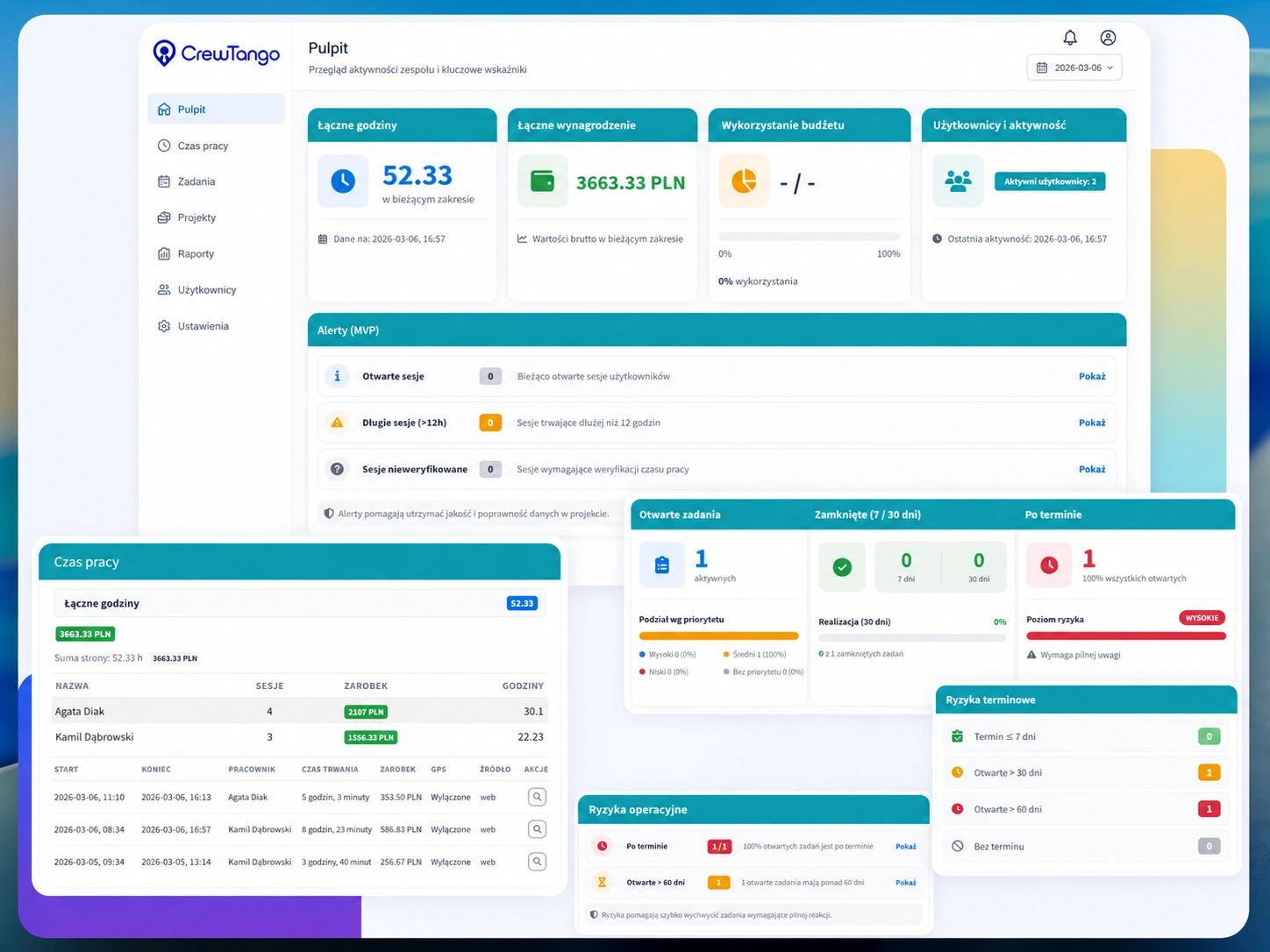
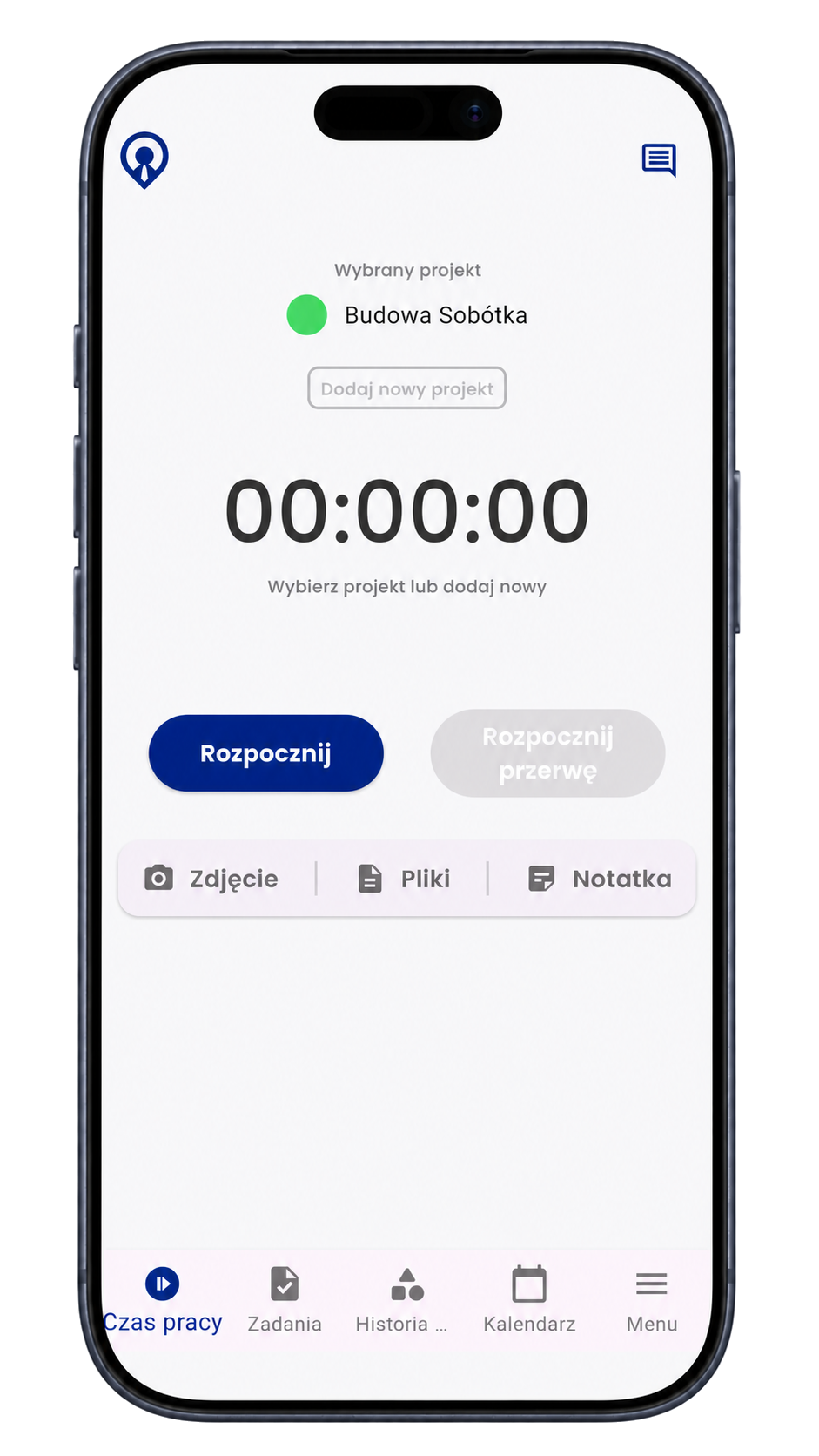
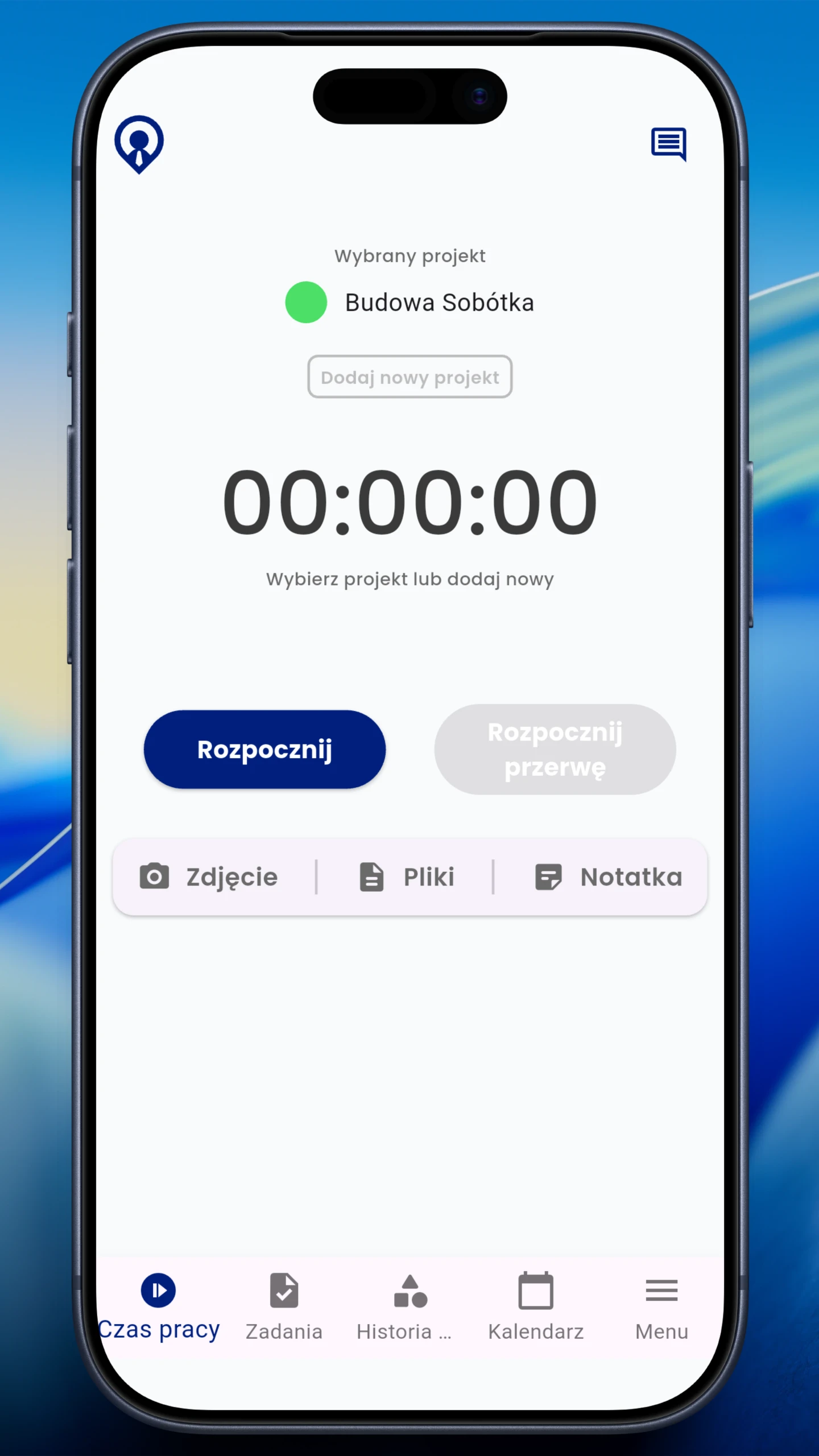
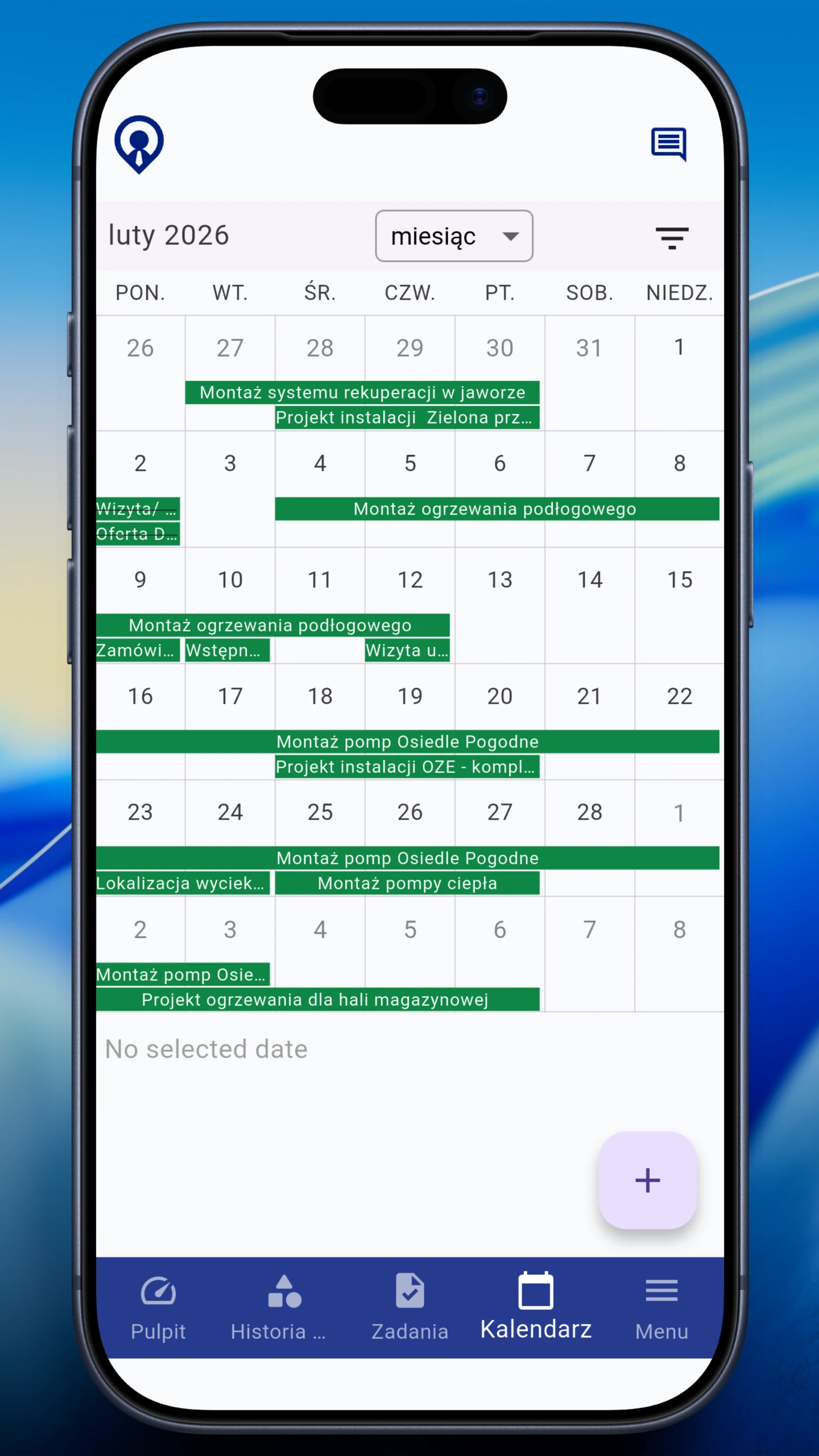
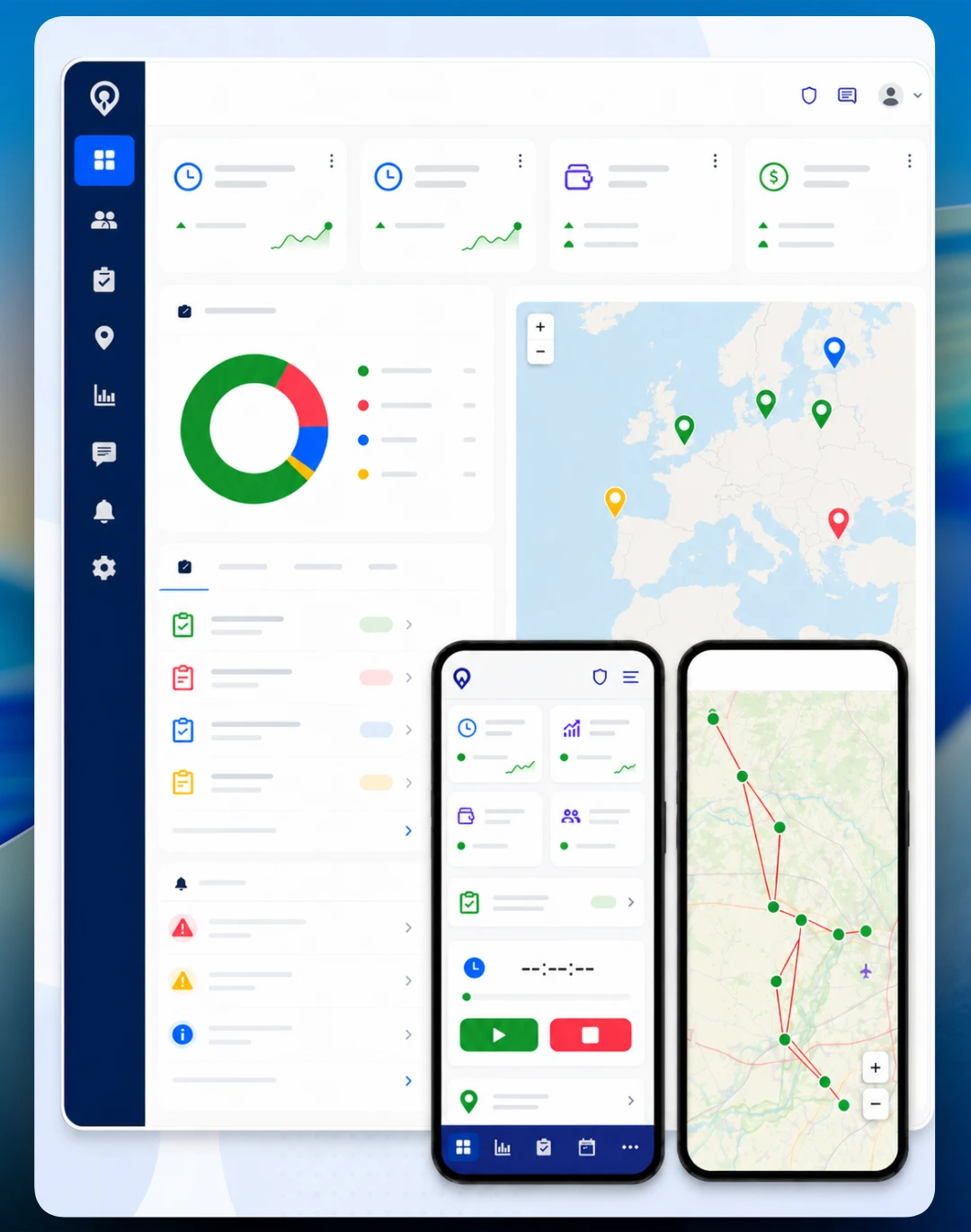
CrewTango runs on Android and iOS. Employees track time, view schedules, complete tasks, add photos and report progress from their phones. Managers see team status in the browser dashboard and respond to exceptions sooner.
Available on Android and iOS. Features depend on role and company settings.
A phone can serve one field employee or many people as a shared attendance terminal. Each scenario has its own screen and features.
Employees have time, schedules, tasks and documentation on their phones. Managers see the records in dashboards and reports.
Employees start and finish work sessions in the app. Breaks, projects and tracking sources appear in reports.
Start/Stop • Breaks • Project or site

Employees see shifts, times, roles and locations. Fewer mistakes and calls, more clarity.
Shift • Role • Location

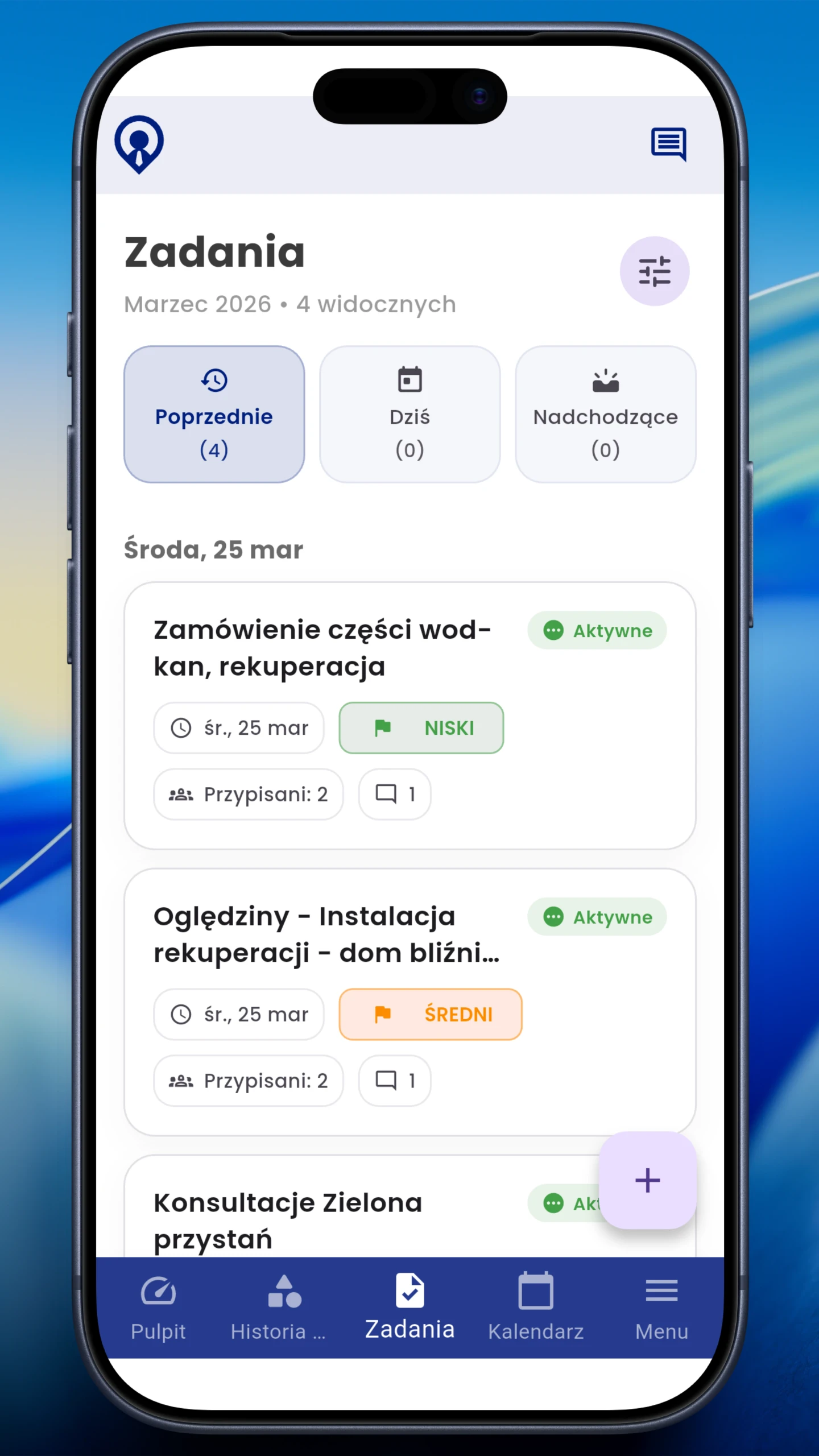
Employees see tasks, priorities, statuses and job comments together.
Priorities • Statuses • Comments

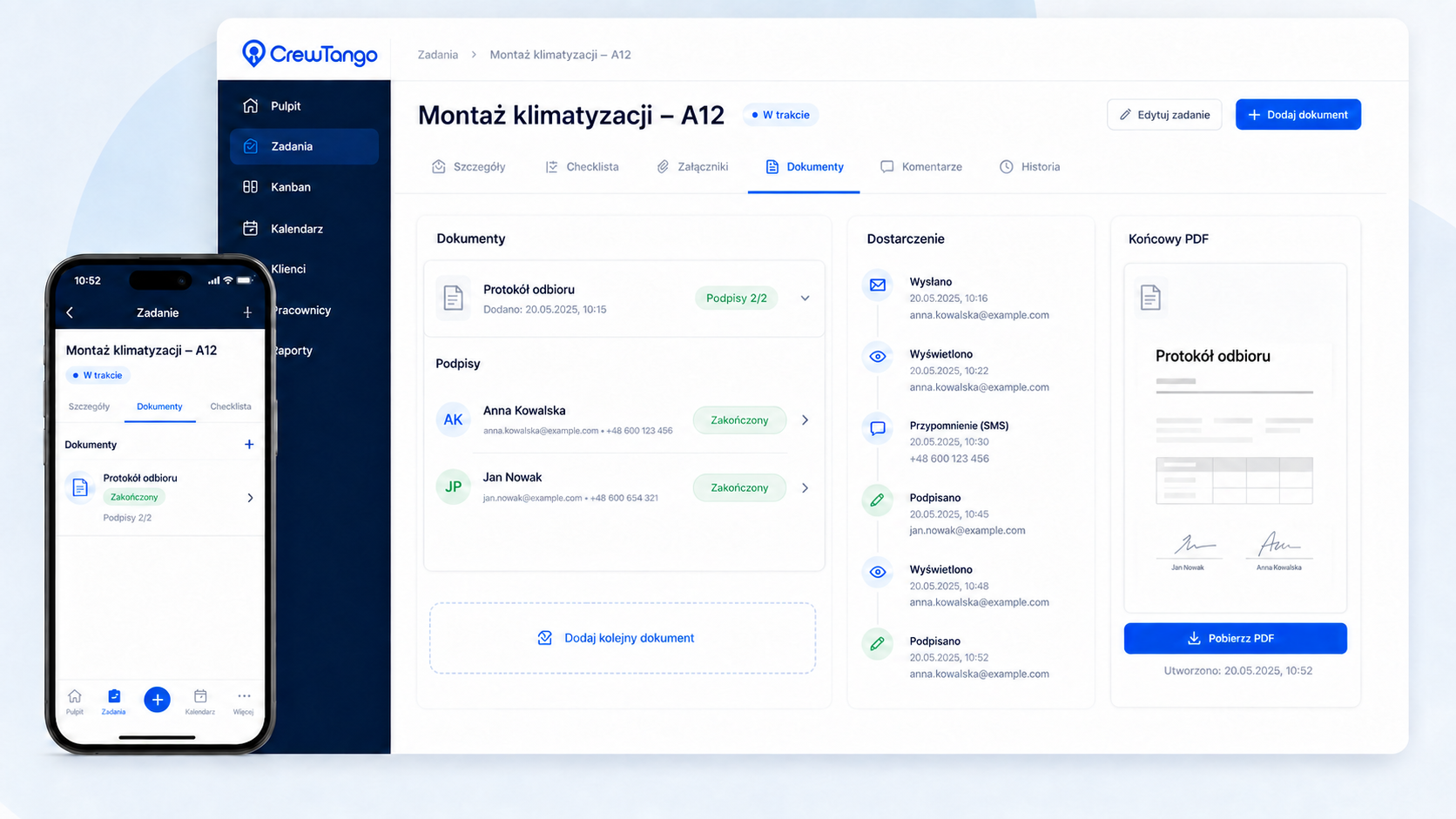
Employees open task documents, review PDFs, prepare drafts or sign their assigned fields. Permission settings determine whether they can invite customers.
PDF preview • Personal signature • Invitations based on permissions
See the complete document workflow
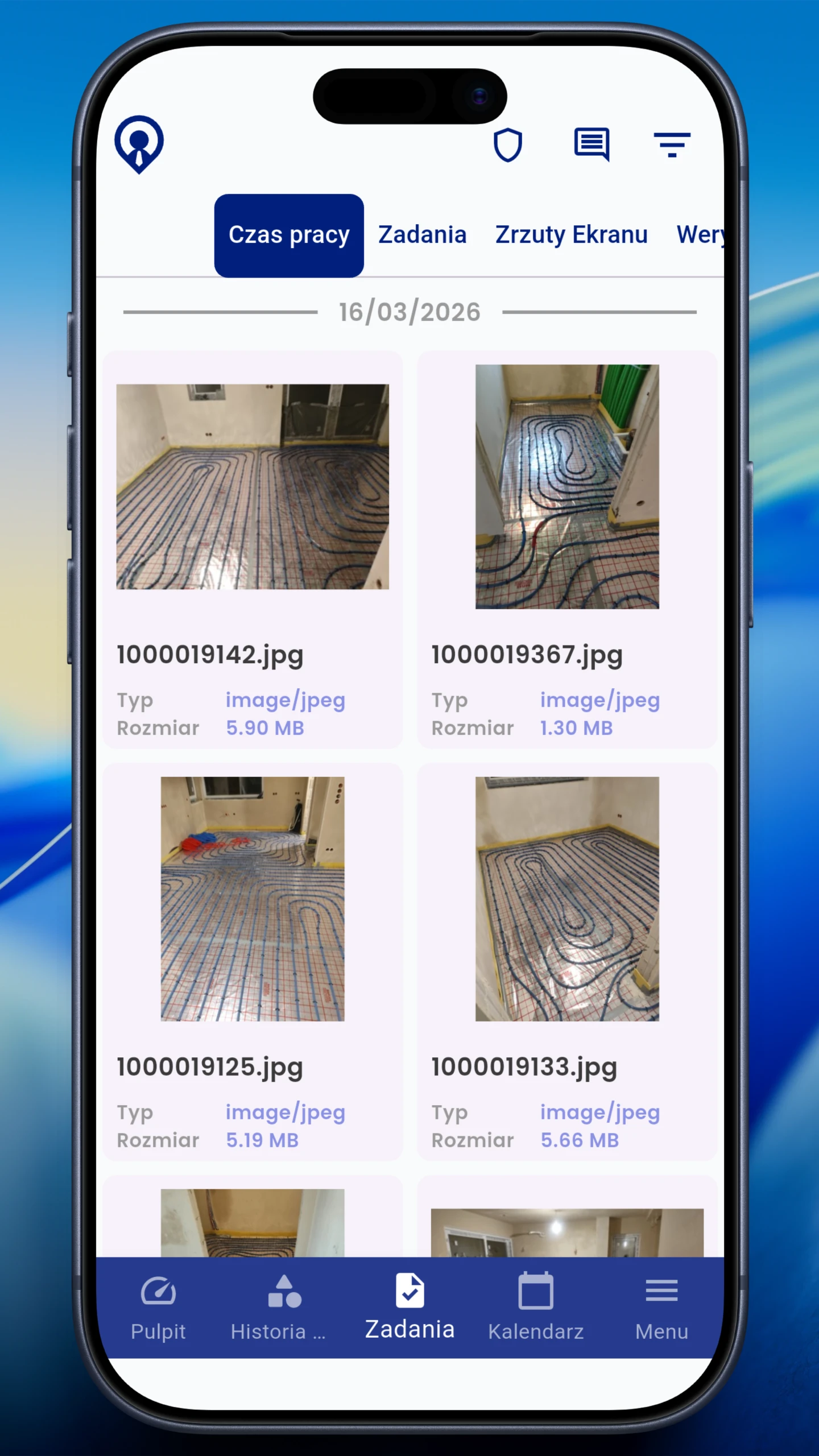
Photos, notes and attachments stay with the task.
Photos • Notes • Attachments

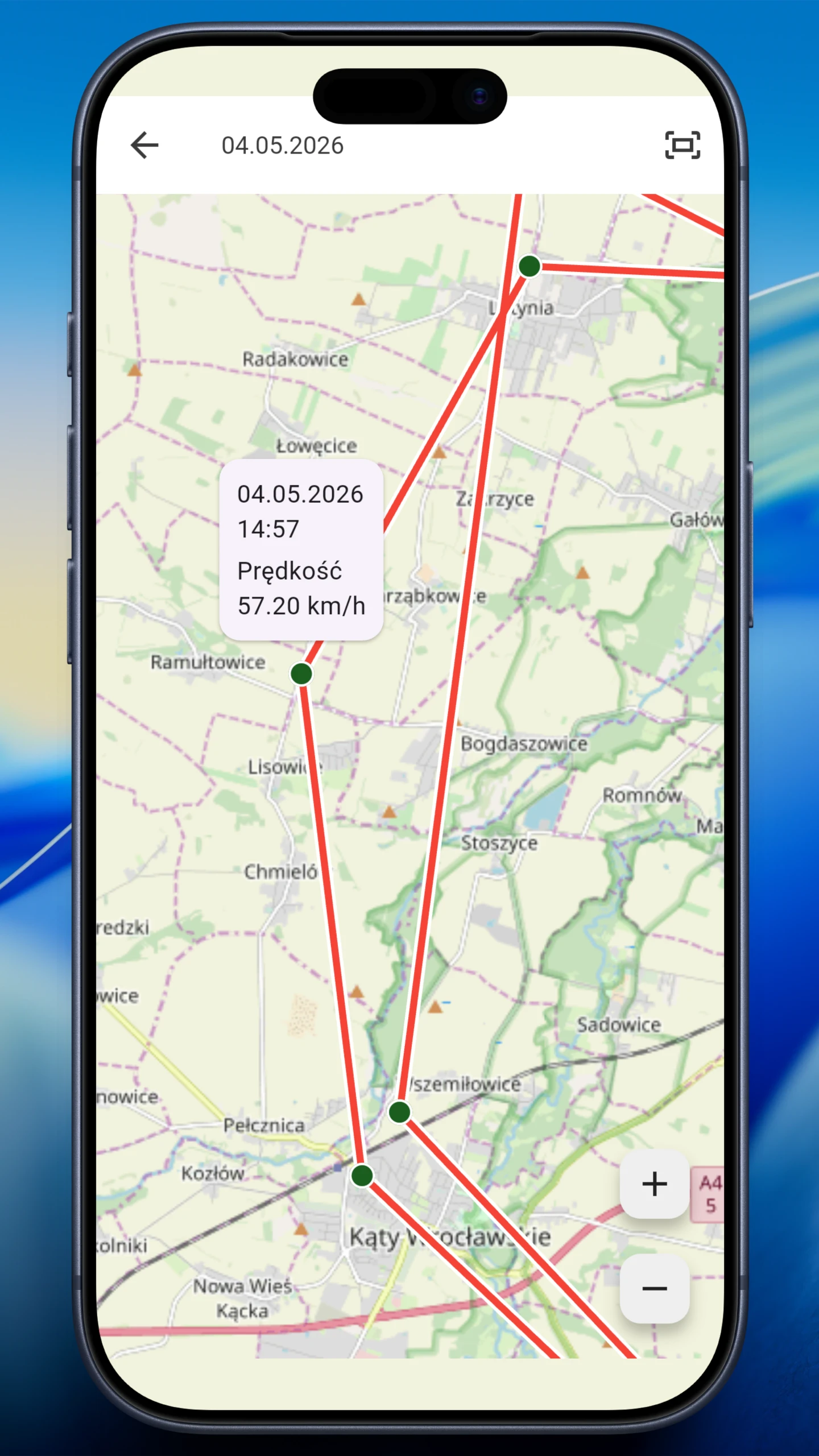
GPS can help confirm site attendance and show the route during active work. Availability depends on company rules.
Optional • Transparent • For field work

Time, task and team views reduce the need to gather updates manually.
Time • Team • Tasks

CrewTango is available in the official Google Play and App Store, making rollout straightforward across different phones.

The mobile app turns daily work into clear management records: who worked, where, on which task and with what documentation.
Create schedules and assign employees, roles, locations and tasks.
Working hours, locations, tasks and key information appear in the app.
Tapping Start records a work session and shows active status in the dashboard.
Employees update task statuses and add photos, files, notes or comments.
Time, tasks and documentation appear in dashboards and daily or weekly reports.
Mobile app records feed the browser dashboard, giving managers team status without phone calls.

The mobile app should support the work process. Company rules should clearly describe data scope, GPS, photos and roles.
Employees, managers and administrators can see different data.
Use location where it supports field work.
Photos help confirm completion, acceptance or a work stage.
The team should know when the app operates and what data appears in reports.
Employees need to identify themselves quickly at a shared terminal. Choose the method that suits the workplace and shift process.
Employees enter their PIN on the shared device: a simple clock-in method for shift work.
Scanning a QR code speeds up clock-ins and clock-outs.
Employees tap an NFC key fob on the device. Suitable for entrances, production facilities, warehouses and receptions.
Optional photo verification helps confirm who actually started or finished work.
Shared attendance devices also handle breaks. Employees can start and end breaks, and your company can define its own break types.
Using a PIN, QR code or NFC key fob.
Clock in, clock out, start a break or end a break.
The time and event type appear in work history and reports.
| Break type | Example use | Effect on reports |
|---|---|---|
| Meal break | daily break during a shift | visible in daily history |
| Technical break | stoppage, breakdown or waiting | helps explain downtime |
| Personal time out | time away for personal reasons | may reduce paid time |
| Paid break | break counted as working time | visible without reducing pay |
| Unpaid break | break excluded from working time | may reduce calculated pay |
Employees view plans, start work sessions, handle tasks and add documentation. Managers receive those records in the same dashboard.

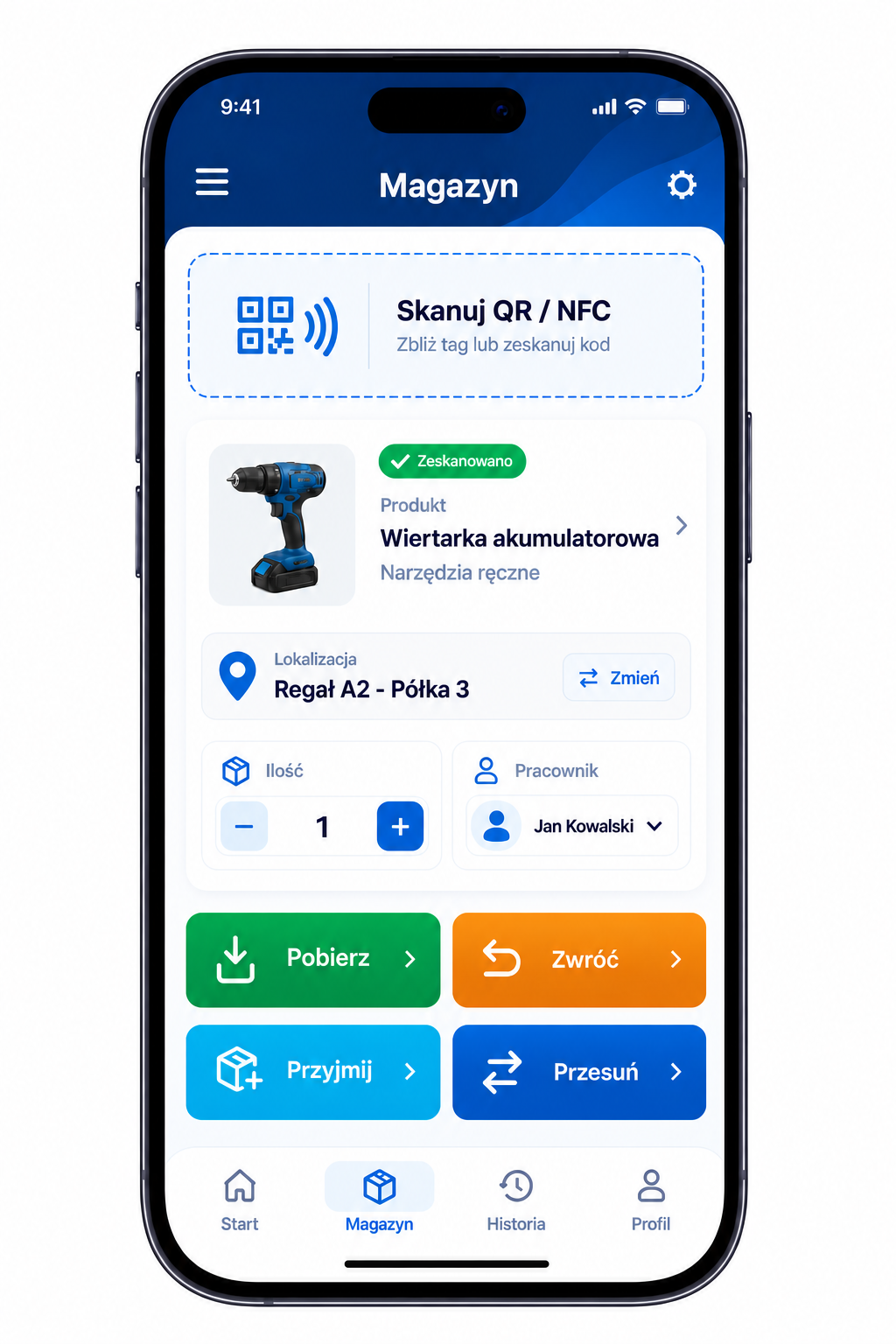
Employees scan a QR code or tap their phone against an NFC tag, choose the quantity and record an issue or return. Managers see current stock and movement history in the browser dashboard.

For cleaning work, employees scan the location’s QR code or NFC tag, read the instructions and confirm the completed clean. Customers use the same QR code to leave feedback. In a care home, a bedside label or NFC wristband opens the resident’s record, letting staff record an action such as a continence care change straight away.
Give employees a simple way to report work and managers one dashboard for statuses, tasks, photos and pay calculations.