When teams work across locations, keeping a clear picture of the day is challenging. CrewTango connects schedules, time, tasks, photos and reports, so managers know who is working, where crews are and what has been completed.
Mobile app for field employees. Browser dashboard for managers and administrators.
More crews, sites and jobs make coordination harder. Without a shared process, managers gather updates manually and calculate pay afterwards.
Managers call, employees stop working, and information still gets lost between conversations.
Starts, breaks and finishes are entered afterwards, leading to errors and disputes.
Across multiple locations, attendance and delays are hard to check quickly.
Instructions are in texts, photos on phones and comments in chats.
Plans and recorded time are separate, so comparisons must be made manually.
Without photos and notes, it is harder to confirm the work scope or resolve a complaint.
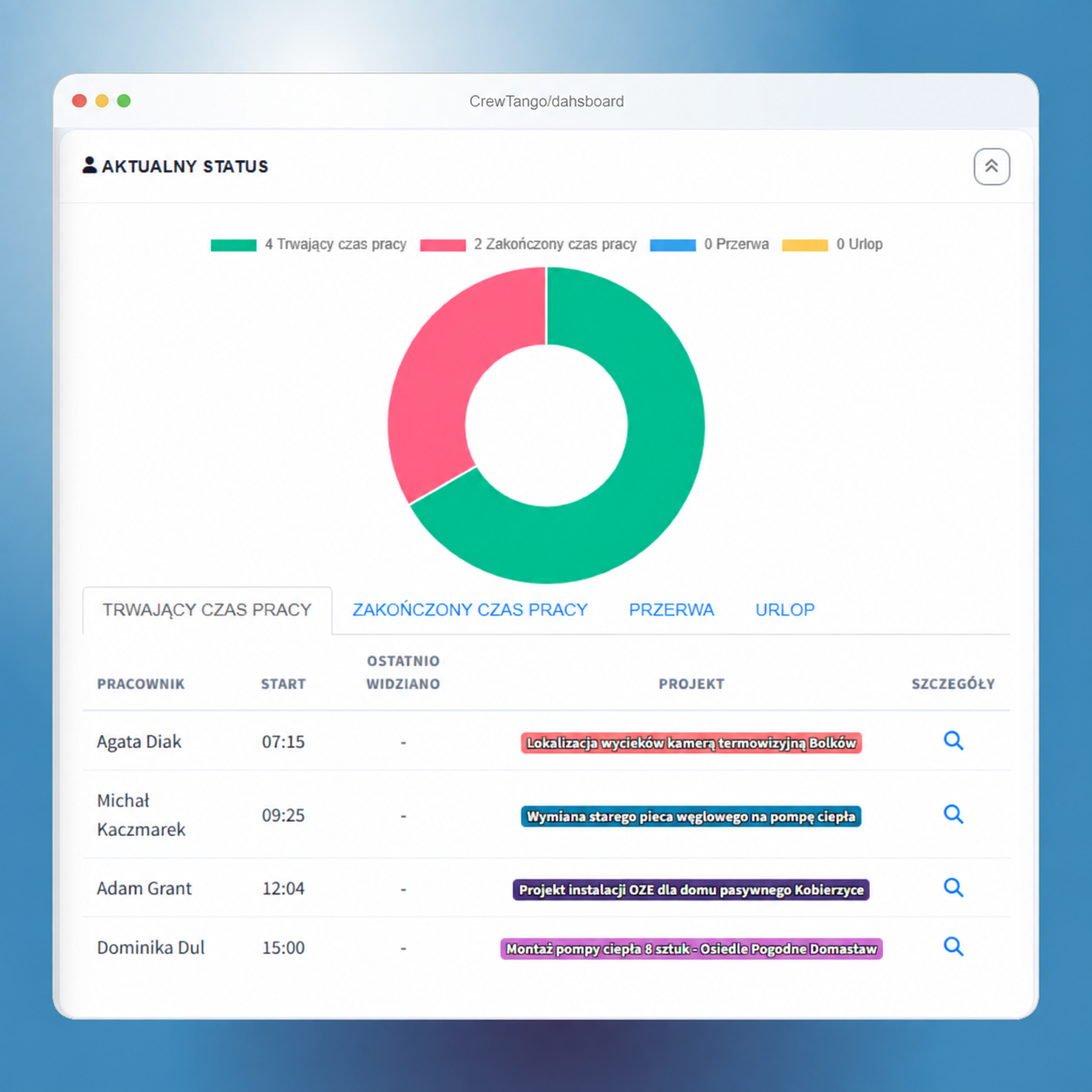
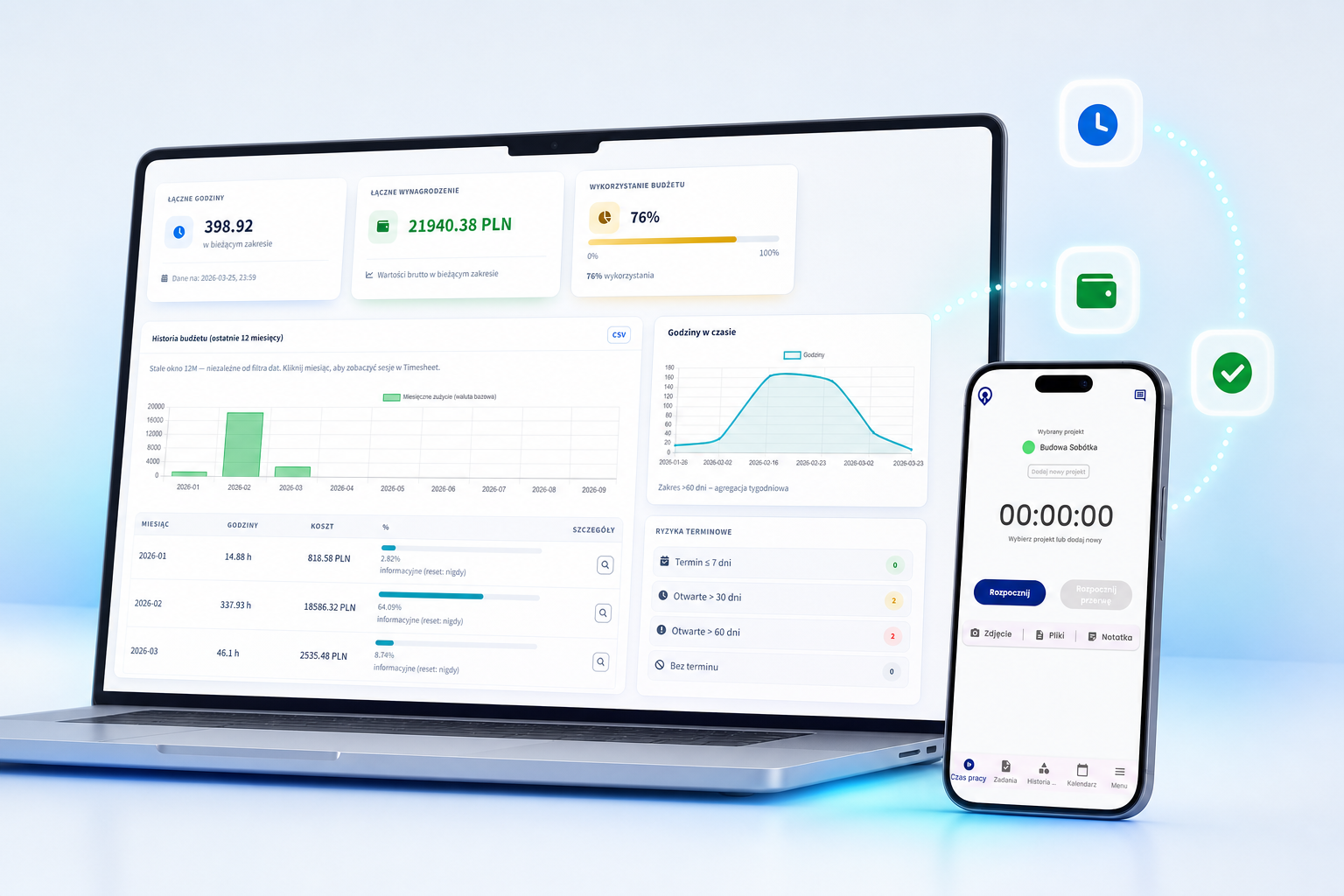
The browser dashboard shows who has an active timer, along with breaks, tasks, locations and entries awaiting approval. The view depends on the manager's role and permissions.

CrewTango connects field work in a simple process: plan the day, let employees view tasks on their phones, record time and add documentation, then give managers records ready for approval.
Create a shift and assign the person, role and workplace.
Times, locations, tasks and essential details are on their phones.
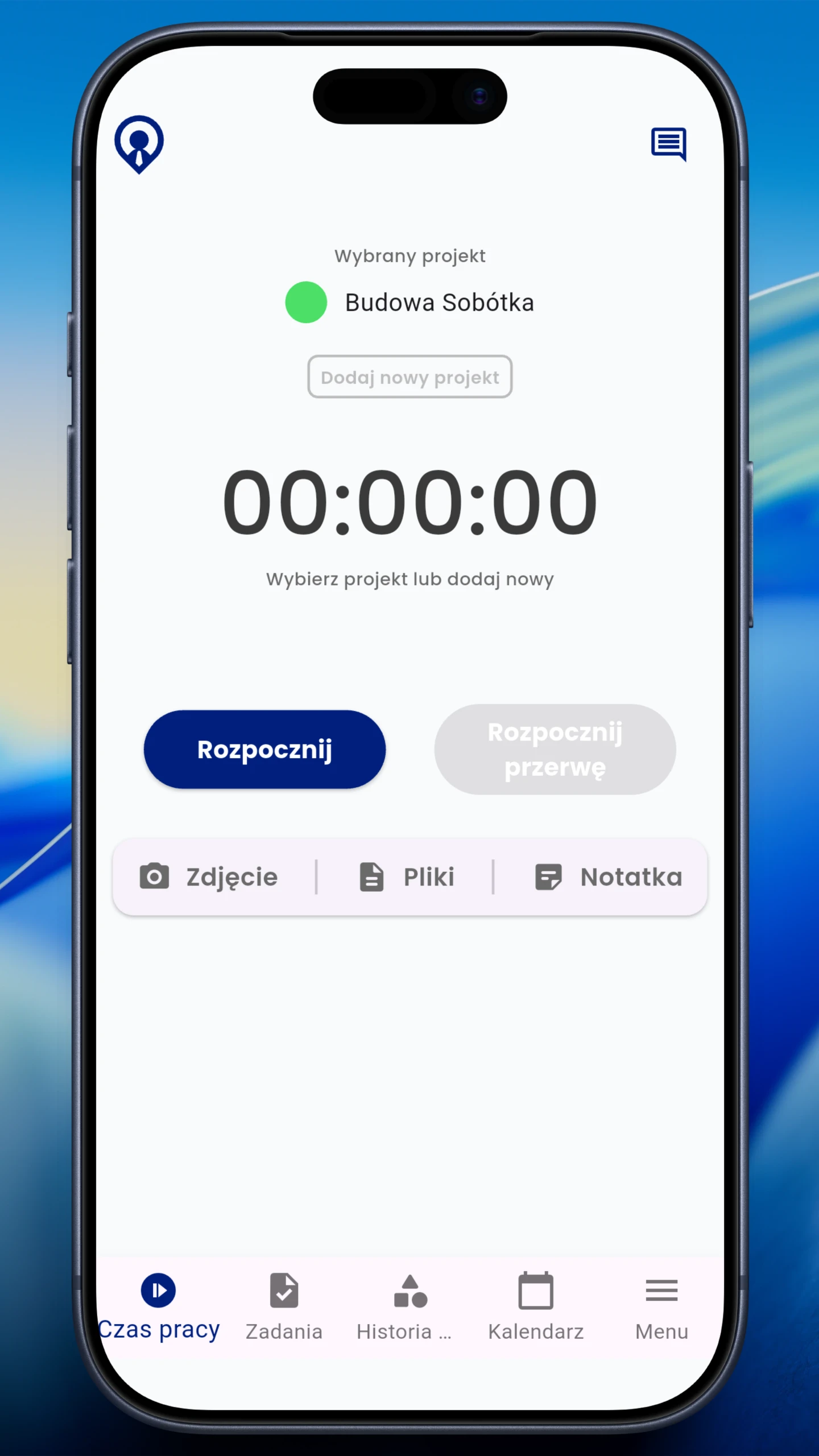
Start and stop with one tap. Breaks and project changes are saved in the history.
Work evidence stays with the job or task instead of a personal photo gallery.
Hours, overtime, allowances and actual work are ready for reporting.
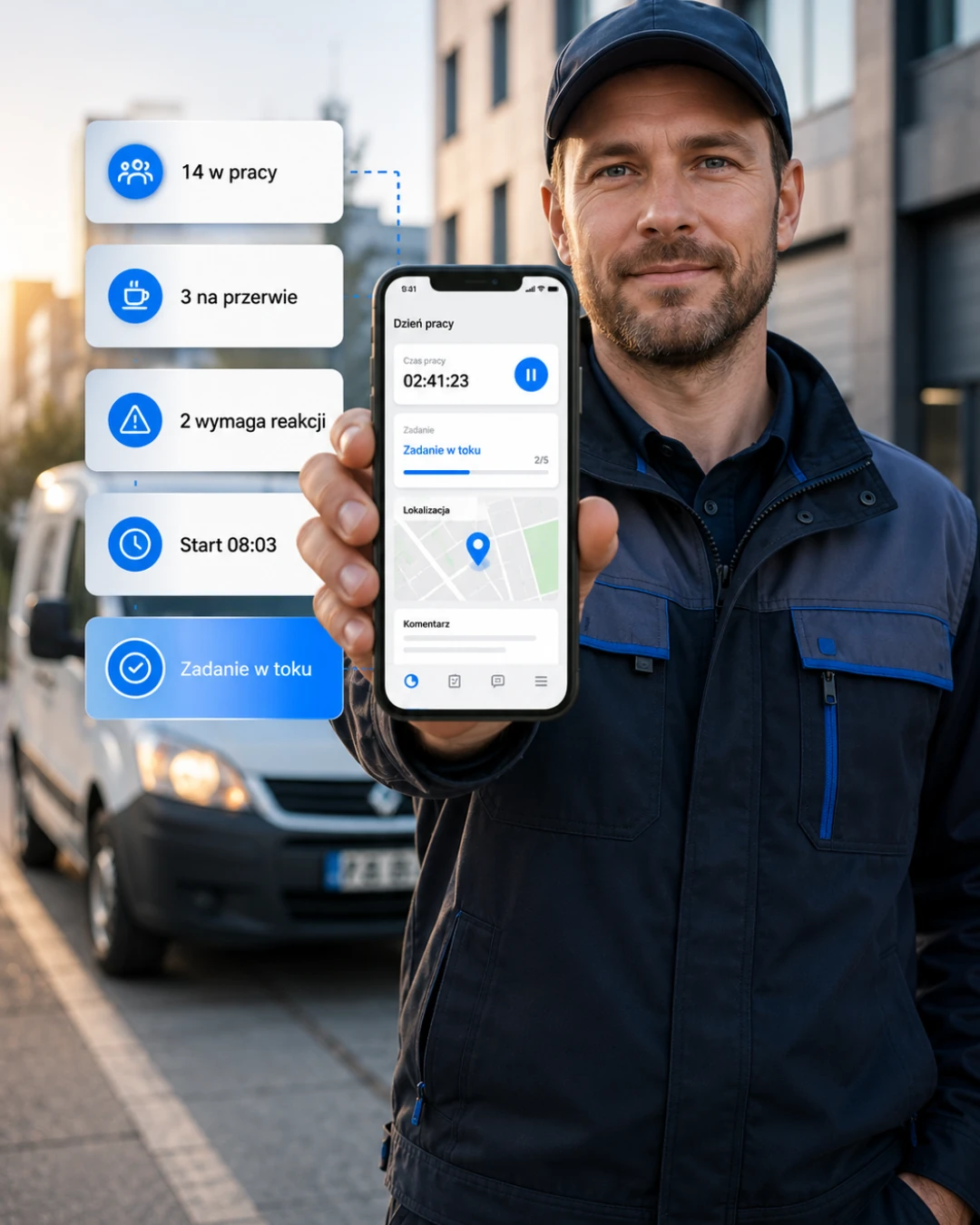
Field employees need a clear plan, a Start button and a quick way to report completion. The information reaches the manager's dashboard.
Employees start and finish work sessions in the app, and managers see their active status in the dashboard.
Start/Stop • Breaks • Project or site

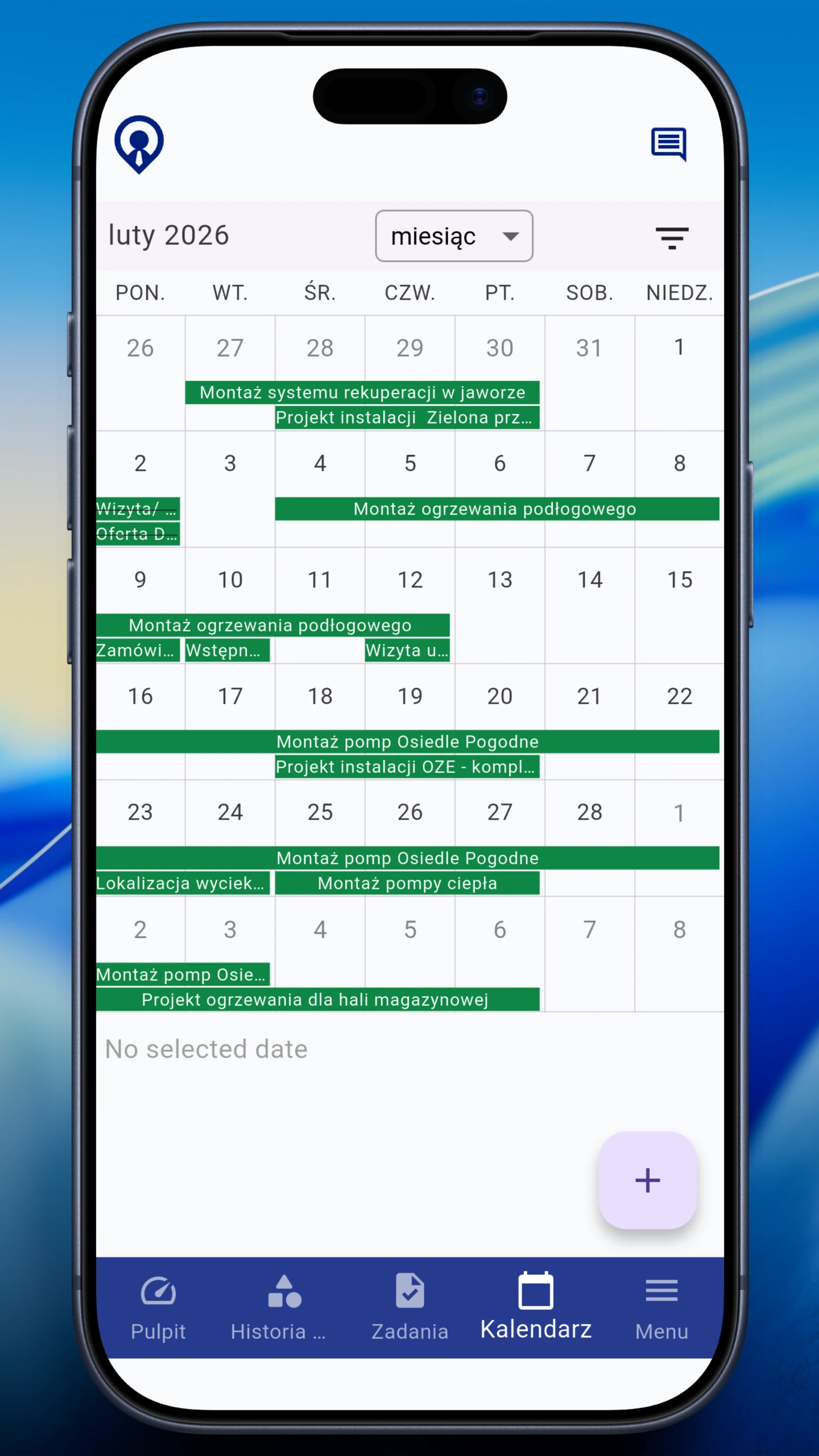
Shift, role and location appear on the phone, so employees know where to be and when.
Shift • Role • Location

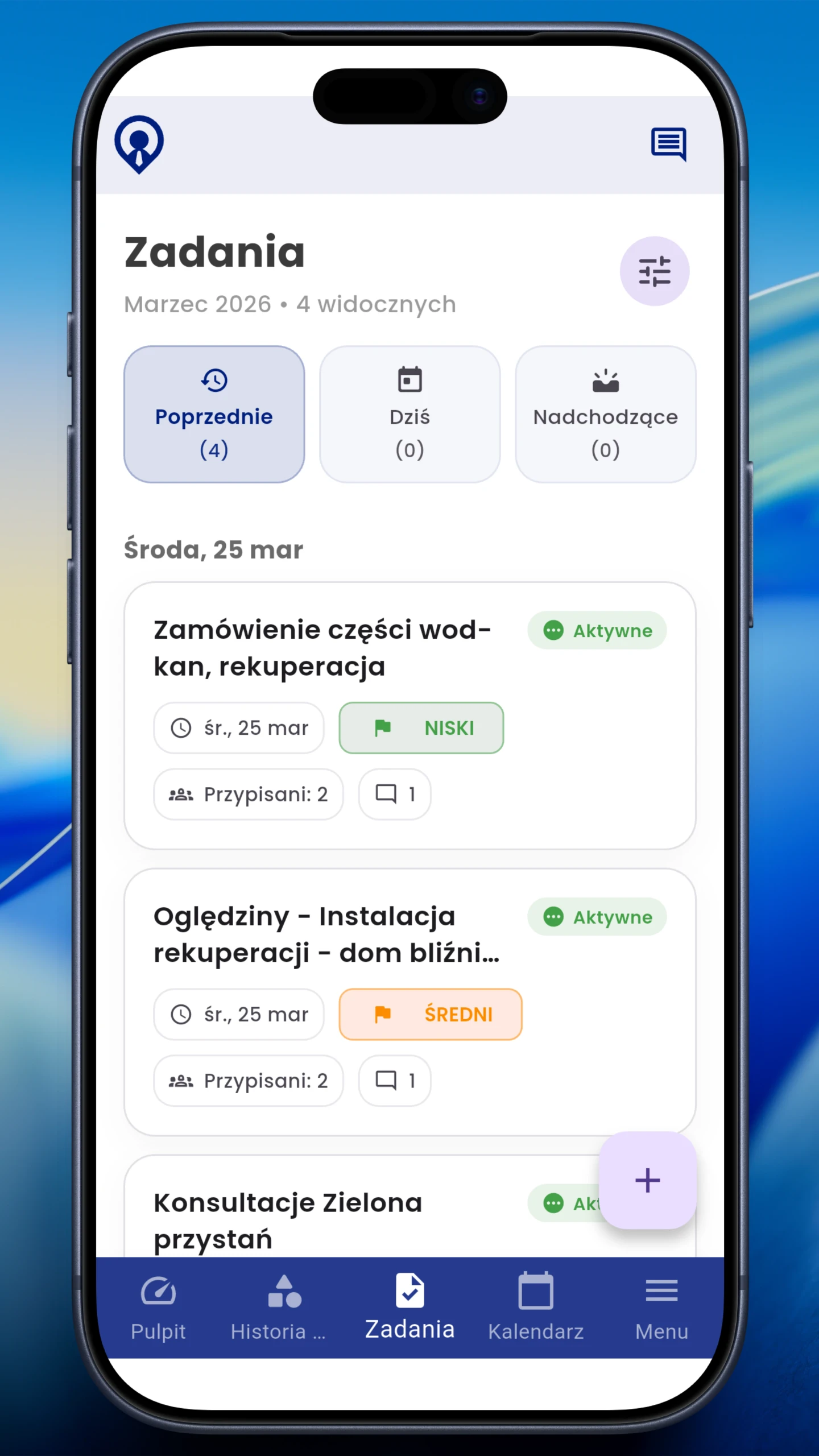
Employees see task lists, statuses and job comments instead of asking in a chat.
Statuses • Checklists • Comments

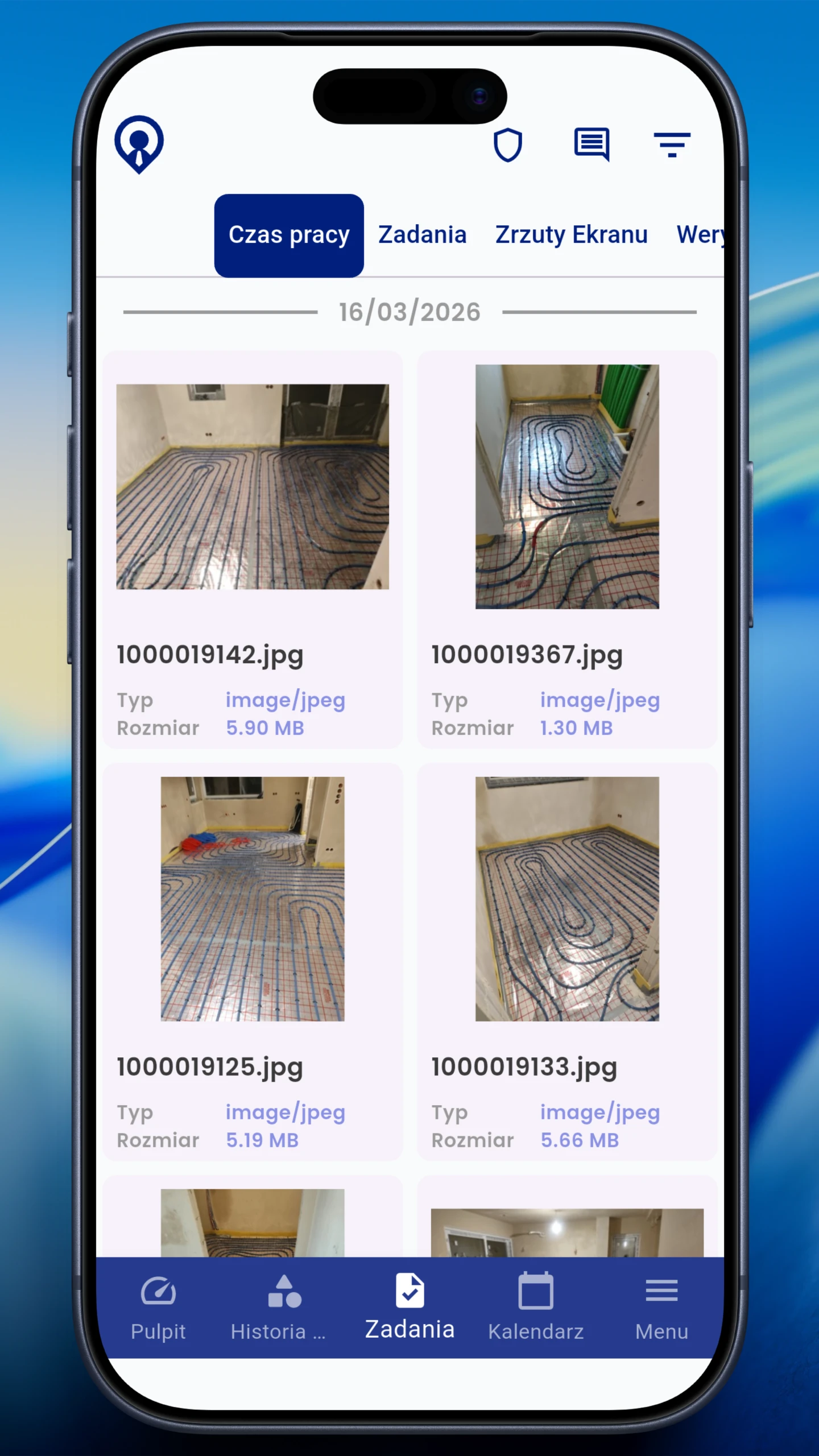
Before-and-after photos, notes and attachments stay with the task or site instead of a personal gallery.
Photos • Notes • Attachments

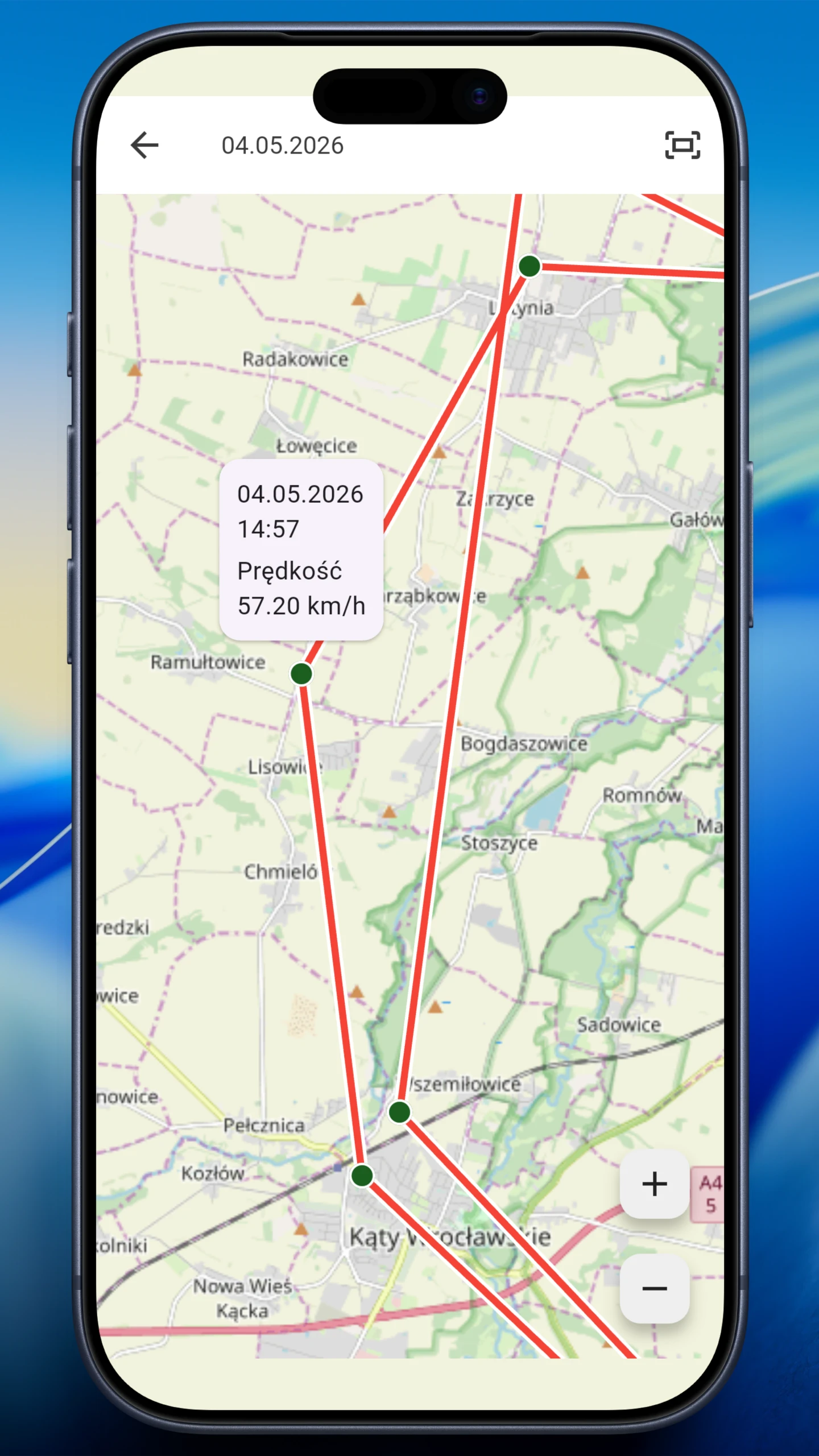
GPS can help confirm site attendance and explain delays. It is optional and depends on company rules.
Optional • Transparent • For field work

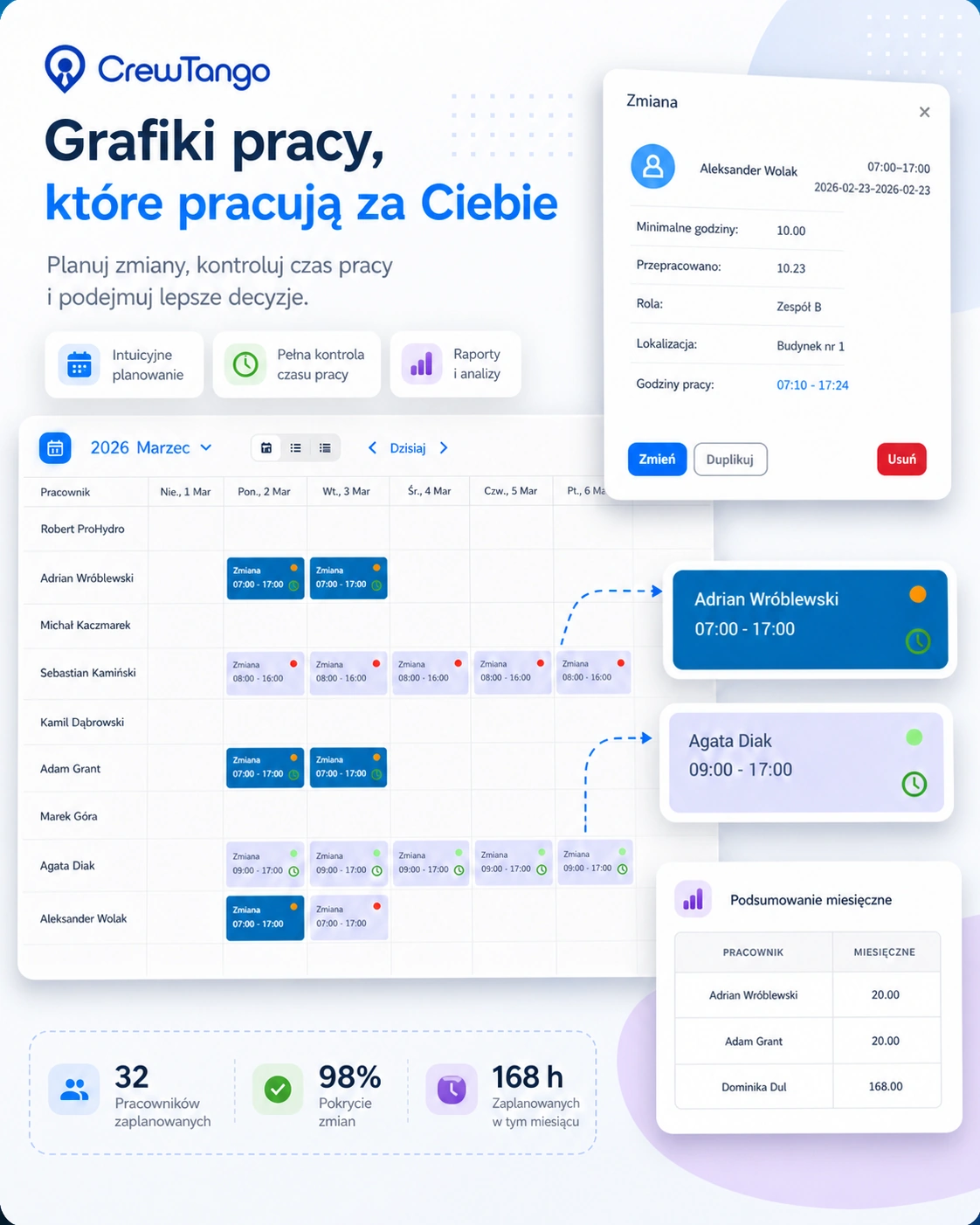
Field schedules need to show more than who works when. They should also show where, in what role and whether the planned work took place.

| Employee | Planned | Actual | Status |
|---|---|---|---|
| Adam Nowak | 08:00–16:00 | 7 h 52 min | OK |
| Marek Wiśniewski | 09:00–17:00 | 6 h 40 min | below minimum |
| Karol Zieliński | 07:00–15:00 | not clocked in | needs attention |
Time records show attendance. Tasks, statuses, photos and comments document work without sending files through private chats.


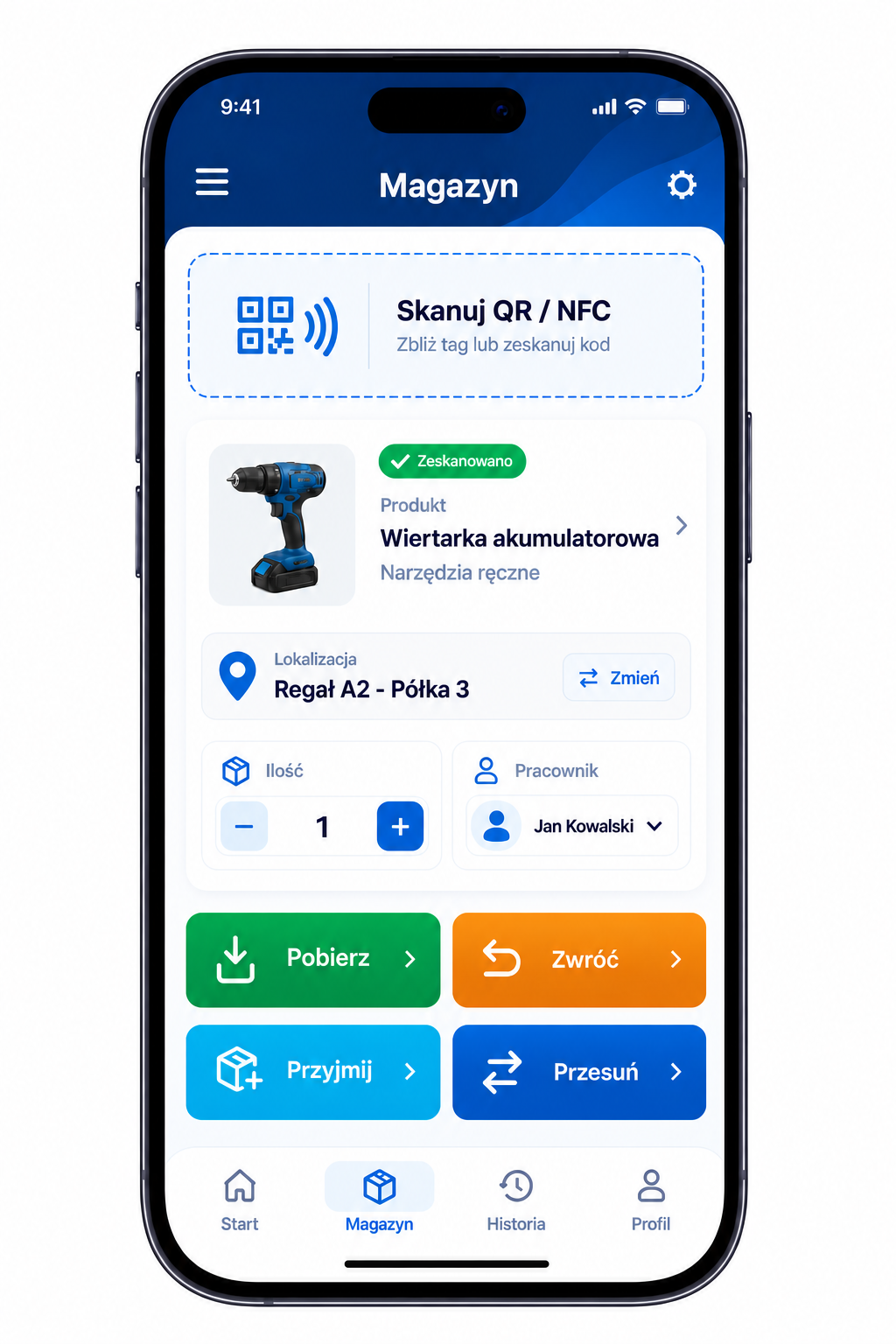
Employees scan QR or NFC, take an item and record its return after work. Managers see current stock and movement history in the dashboard.

GPS should not mean hidden monitoring. In CrewTango, it is an optional supporting feature for field teams: confirm attendance, explain delays and plan future work more effectively.
Check whether the crew attended the correct site.
Check whether travel, site issues or a missing clock-in caused the problem.
Field data helps build more realistic schedules.
The data scope depends on role, process and company settings.
Working time, schedules, tasks, locations and documentation feed the dashboard and reports. Analyse hours, project costs and entries needing approval.
Hours assigned to projects and employees.
Schedule compared with recorded working time.
Overtime, allowances, rates and data export.

The same project on the employee's phone and in the manager's report.
Employees get a simple daily view. Managers see teams and exceptions. Administrators see the company overview and reports.
Schedule, tasks, start/stop, photos and personal summaries.
Live team status, deviations, approvals and the daily plan.
Company dashboard, reports, role settings and cost control.
Employees use their phones to track time, check tasks and add files. Managers work with the same records in the browser dashboard, according to their role.

Connect schedules, working time, locations, tasks and documentation in one system for mobile crews.